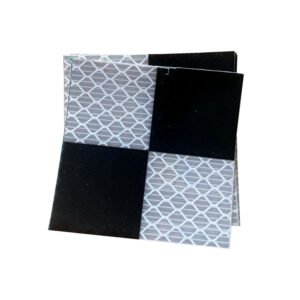
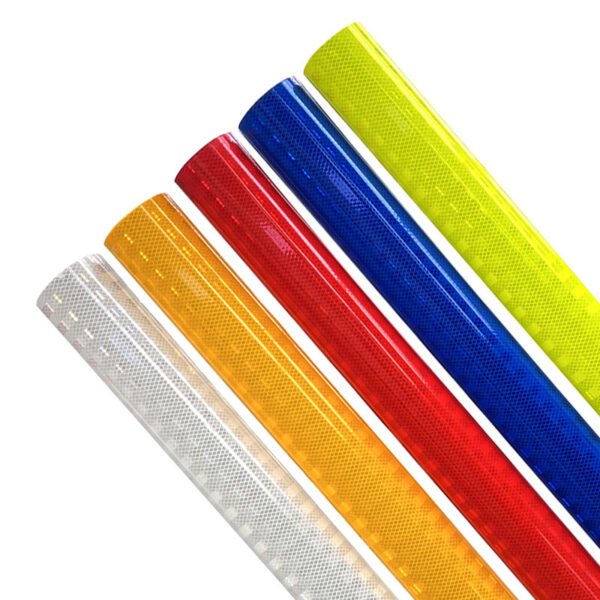
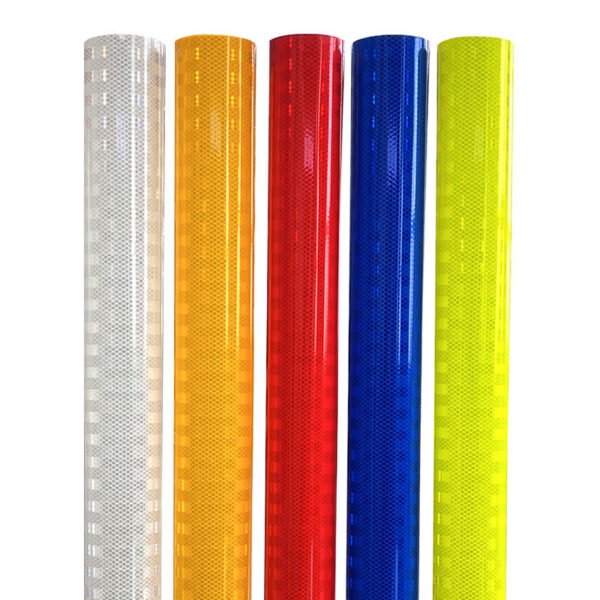
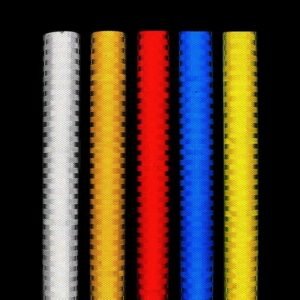
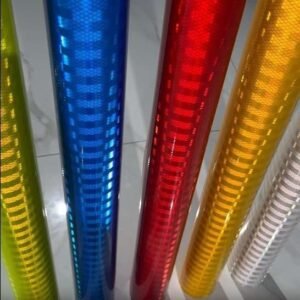
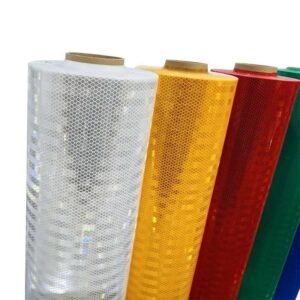
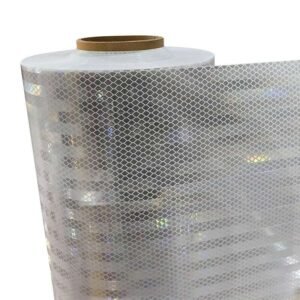
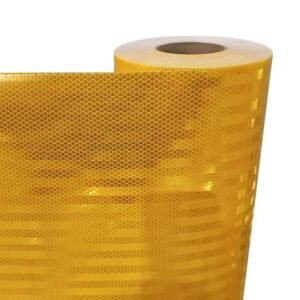

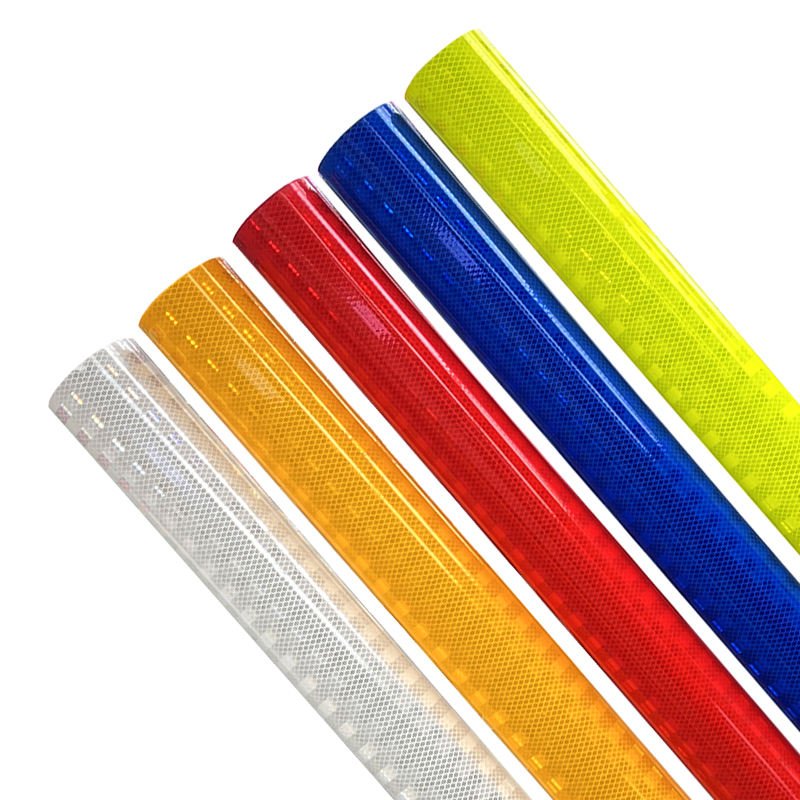
Color Options for Sign Faces
Available colors support a range of sign designs. Confirm color, roll size and application requirements when ordering.
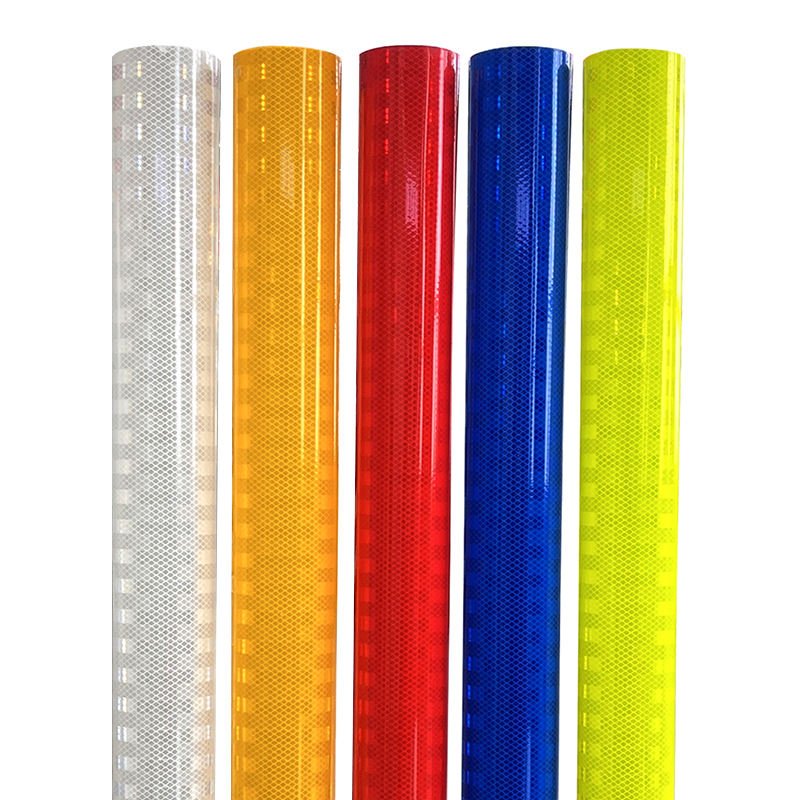
Prismatic Reflective Finish
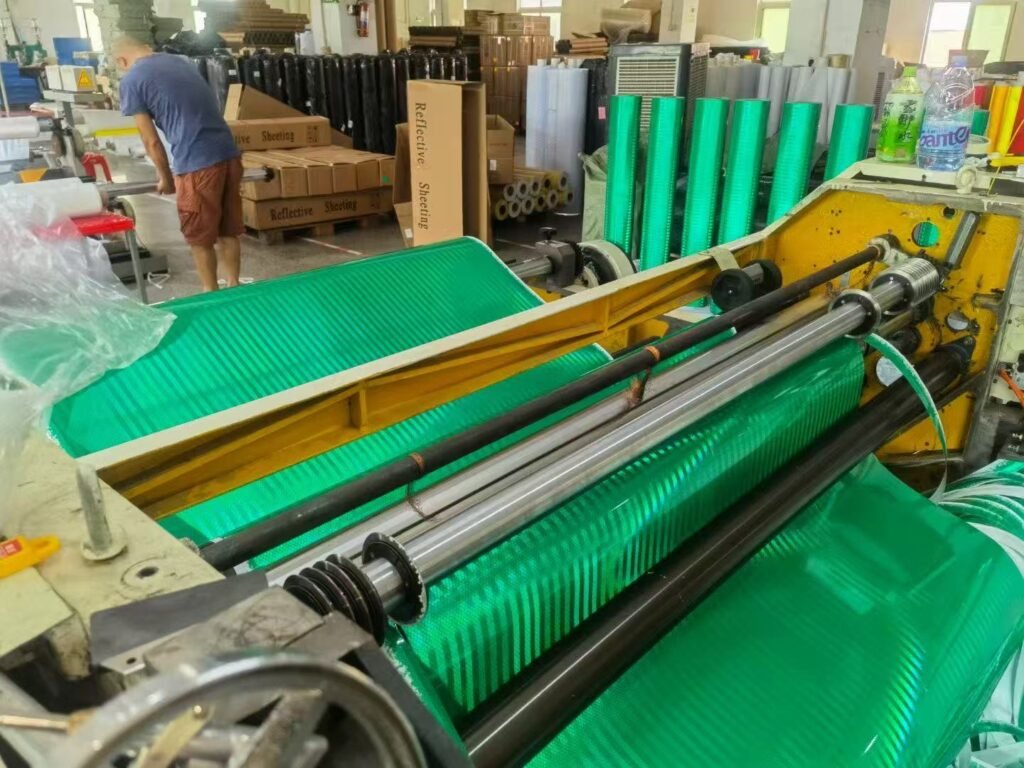
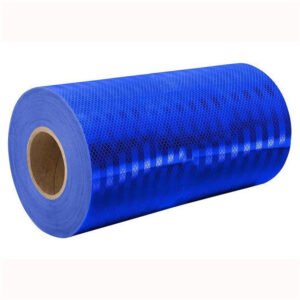
The patterned surface reflects incident light toward its source. Request the required performance data for your project.
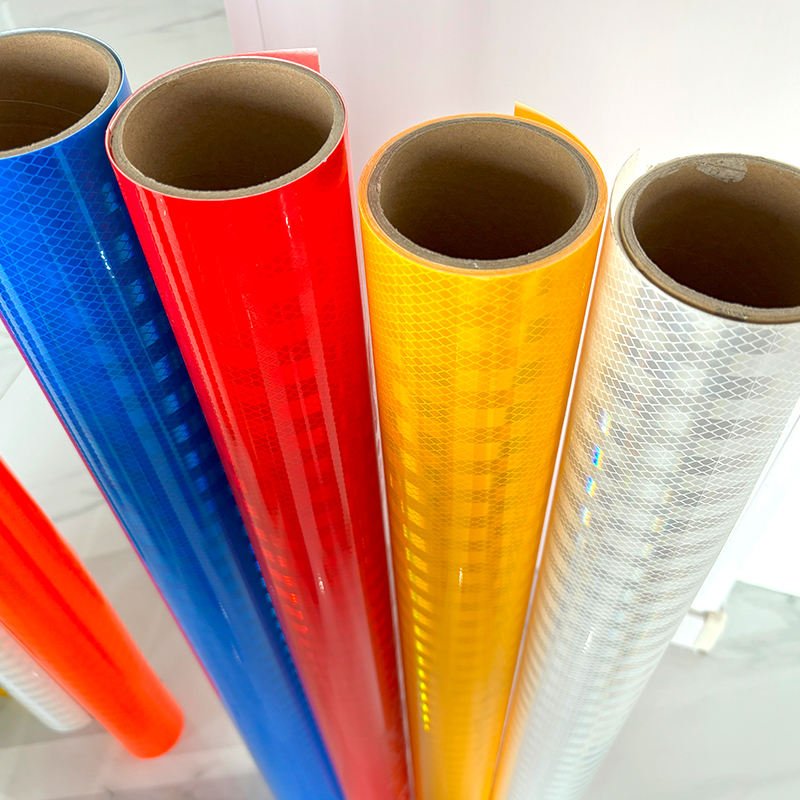
Roll Handling and Converting
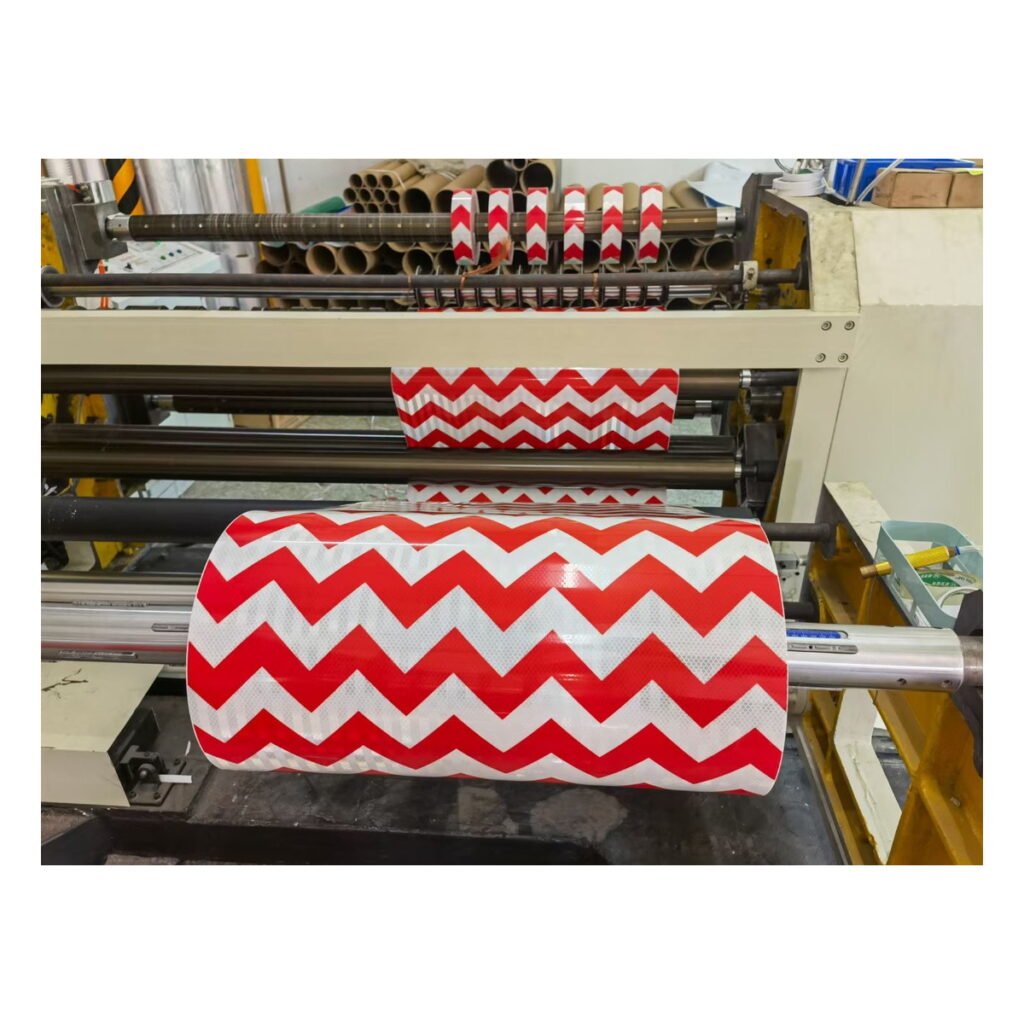
The roll format supports cutting and printing to the finished layout. Test ink and substrate compatibility before a full production run.
Planning Printed Reflective Graphics
Include your printer model, ink system and artwork with the inquiry so the proposed printing process can be checked against the selected PMMA film. Our reflective film printing guide covers questions to ask about UV, screen and solvent printing. Use a sample print to review color, adhesion and reflective appearance before approving production.
Customization & Ordering
Specify the base color, roll dimensions or finished graphic size, quantity and receiving panel. If the project calls for glass-bead construction, compare PMMA engineering-grade glass-bead film. Include the required performance specification, packaging and destination so the quotation identifies the exact material and finishing process.
Color and Prismatic Surface Details
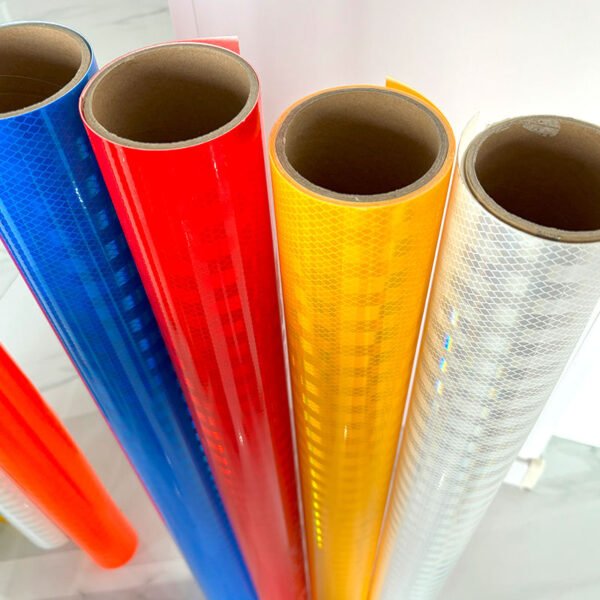
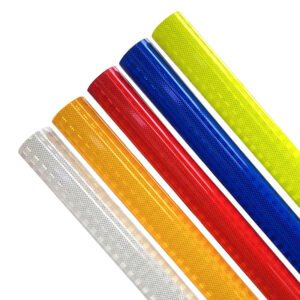
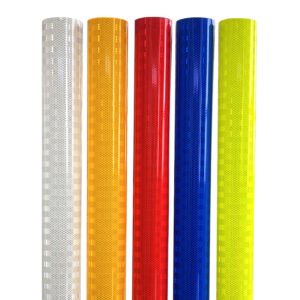
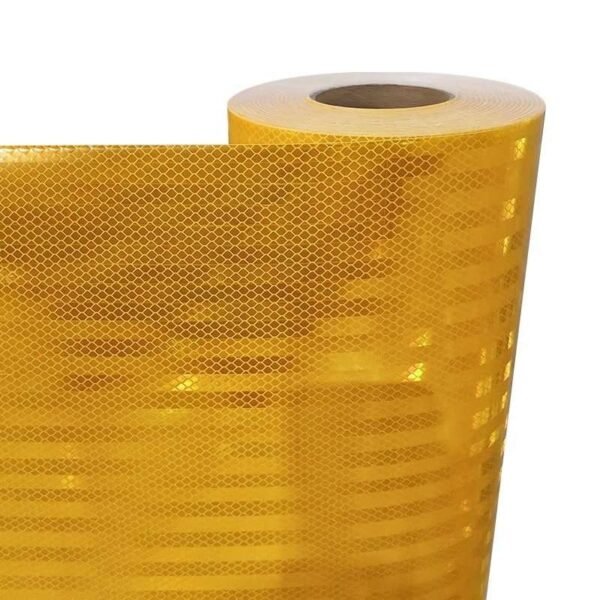
This PMMA high-intensity prismatic reflective vinyl combines a patterned reflective face with a pressure-sensitive adhesive backing. The photographs below show the color family and the surface under directional illumination. Apparent brightness depends on the light source, viewing angle and exposure; these photographs help compare appearance and do not replace measured performance data.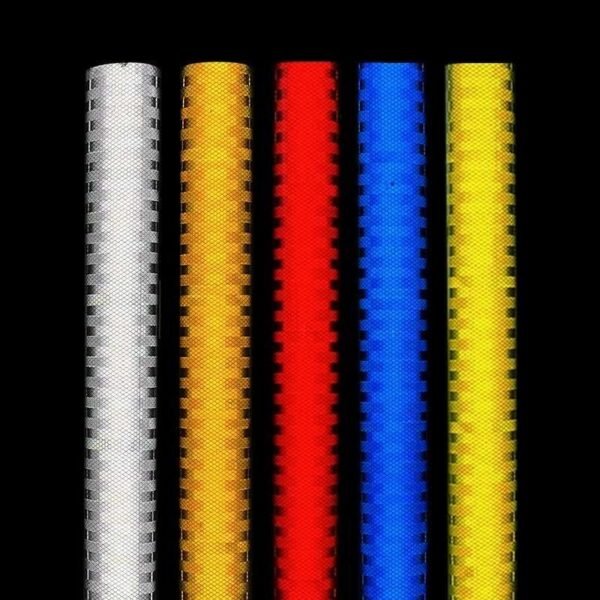
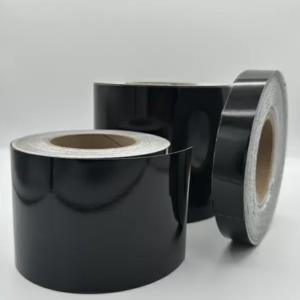
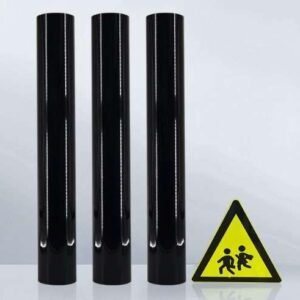
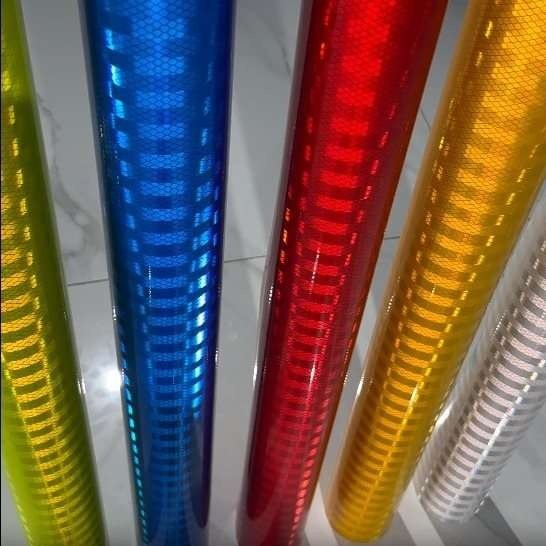 Choose the required color before planning artwork or cutting. White, yellow, red, blue and other photographed colors illustrate the range; confirm the exact shade and availability for your order. A physical sample is useful when matching existing signs or comparing daytime color with the reflective appearance.
Roll Face, Backing and Converting
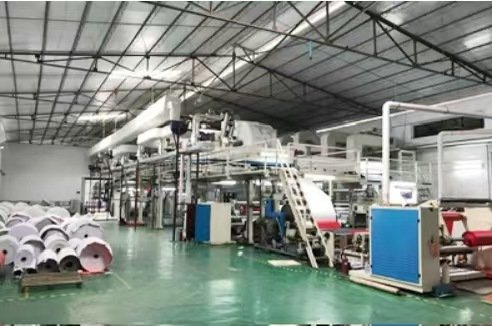
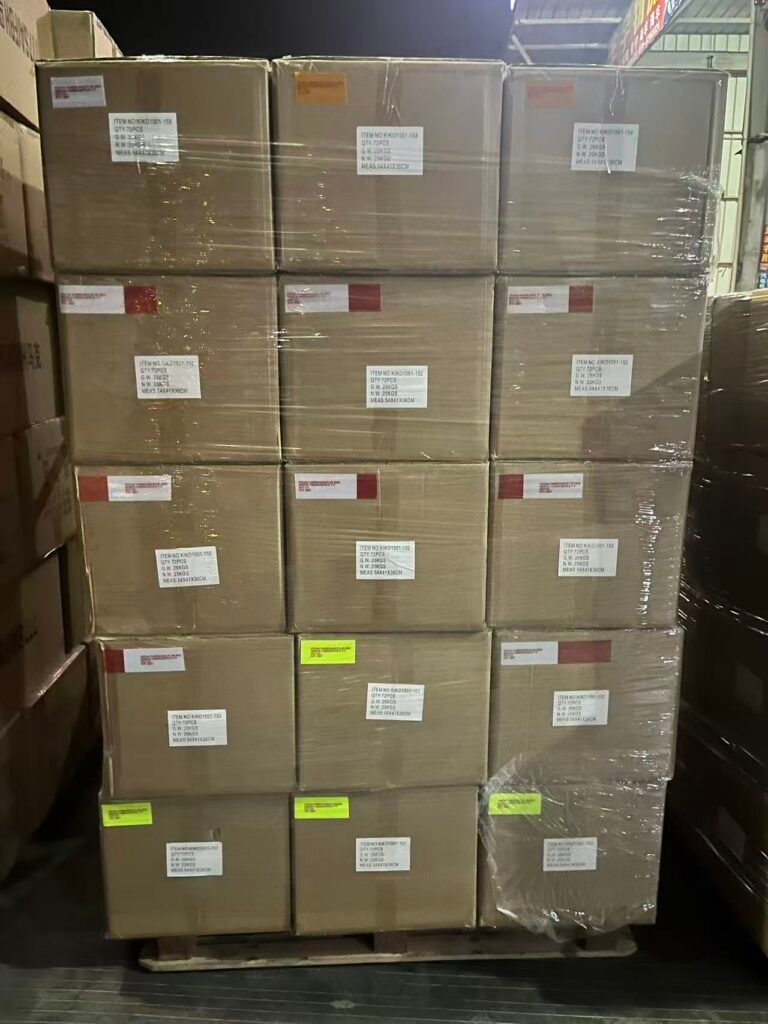
The roll and unrolled views make the surface finish easier to inspect before ordering. This listing is for reflective film used in sign production. Finished panels, printed graphics and mounting hardware are separate requirements. Specify your roll width and length, or provide the dimensions and quantity of custom pieces for a quotation.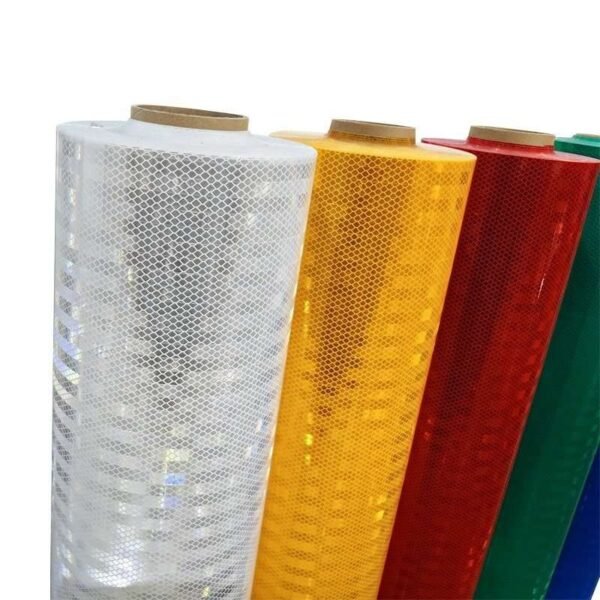
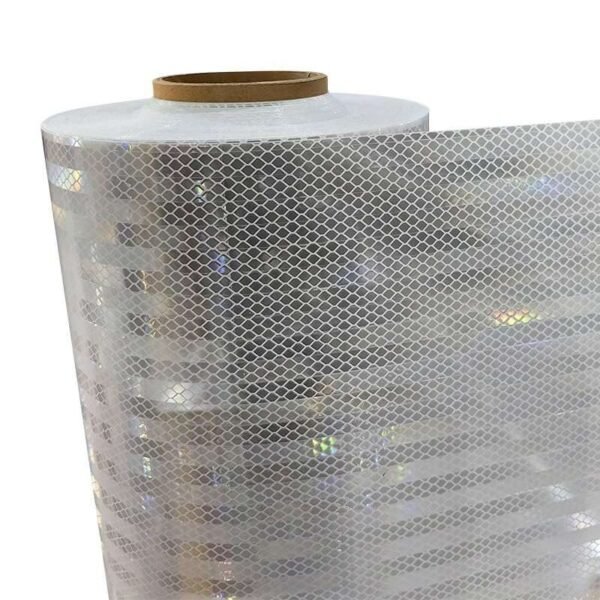 The material is offered for printing and converting, with screen, digital or inkjet processes subject to compatibility confirmation. Send the printer model, ink system and intended artwork when requesting a sample. Check adhesion, drying and the appearance of the printed area on a trial piece before committing to a production run. Printing can change the reflective appearance, especially where heavy ink coverage obscures the face.
Sign Applications and Installation Planning
The application photographs illustrate how reflective graphics can be used on sign panels. They are design references, not a statement that every pictured sign or complete assembly is included. For regulated road signs, confirm the required local specification and supporting test documentation for the exact material and finished construction before ordering.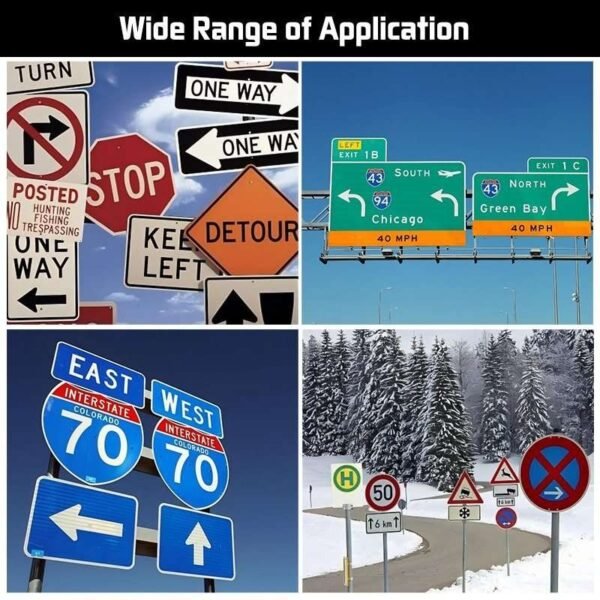 Plan application within the stated 18–28°C range. The receiving surface should be clean, dry and suitable for pressure-sensitive film. Check compatibility with the intended panel, coating and cleaning process using a small sample. Keep the release liner in place until application and handle the reflective face carefully during cutting and positioning.
Information for an Accurate Quotation
- Required color, roll dimensions or finished cut size.
- Total quantity and whether printing or plain film is needed.
- Receiving panel material and indoor or outdoor application.
- Printer and ink details, artwork and any required performance specification.
- Packaging preferences and delivery destination.