White Reflective Rolls
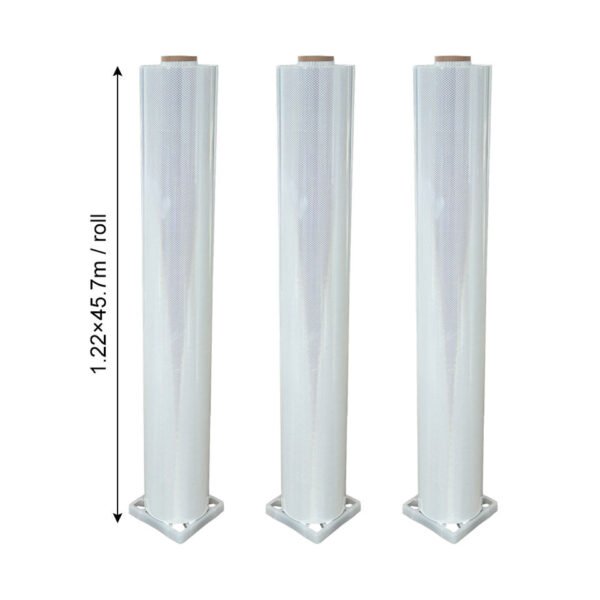
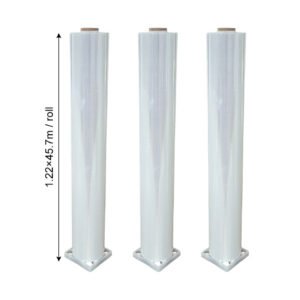
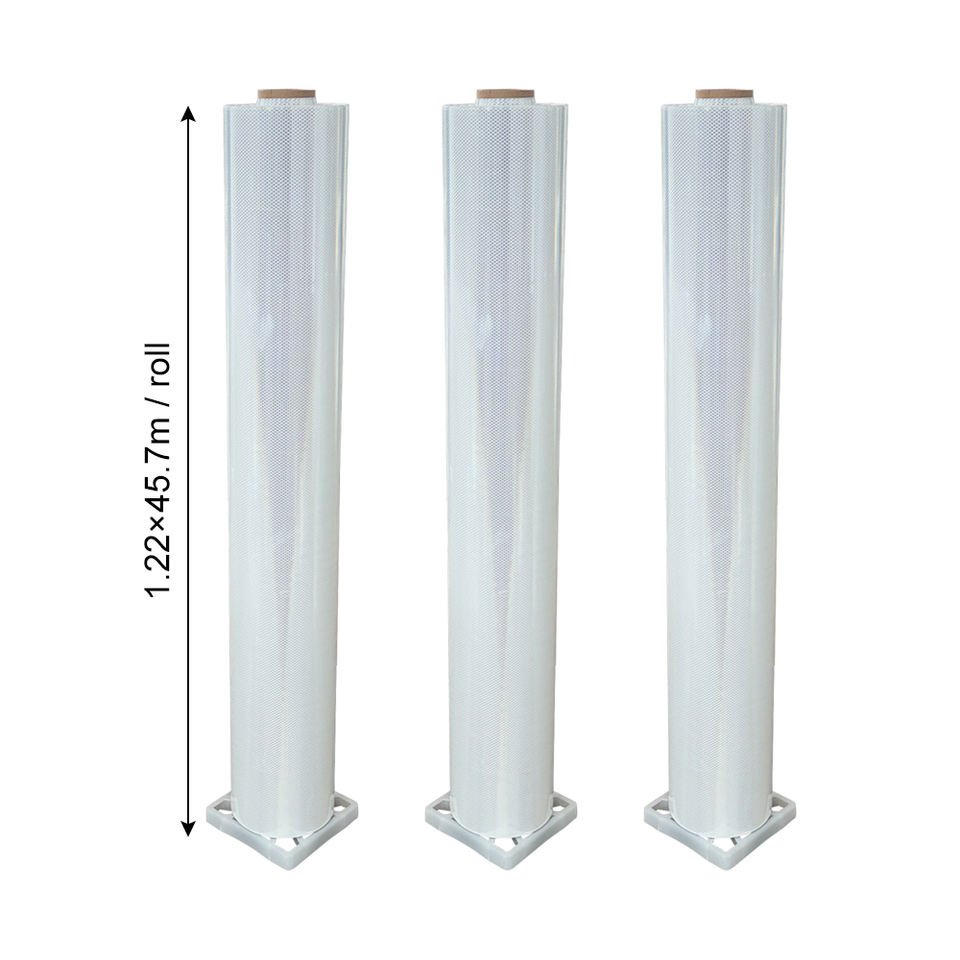
The image shows white reflective rolls with a listed 1.22 m by 45.7 m format. Confirm dimensions for your order.
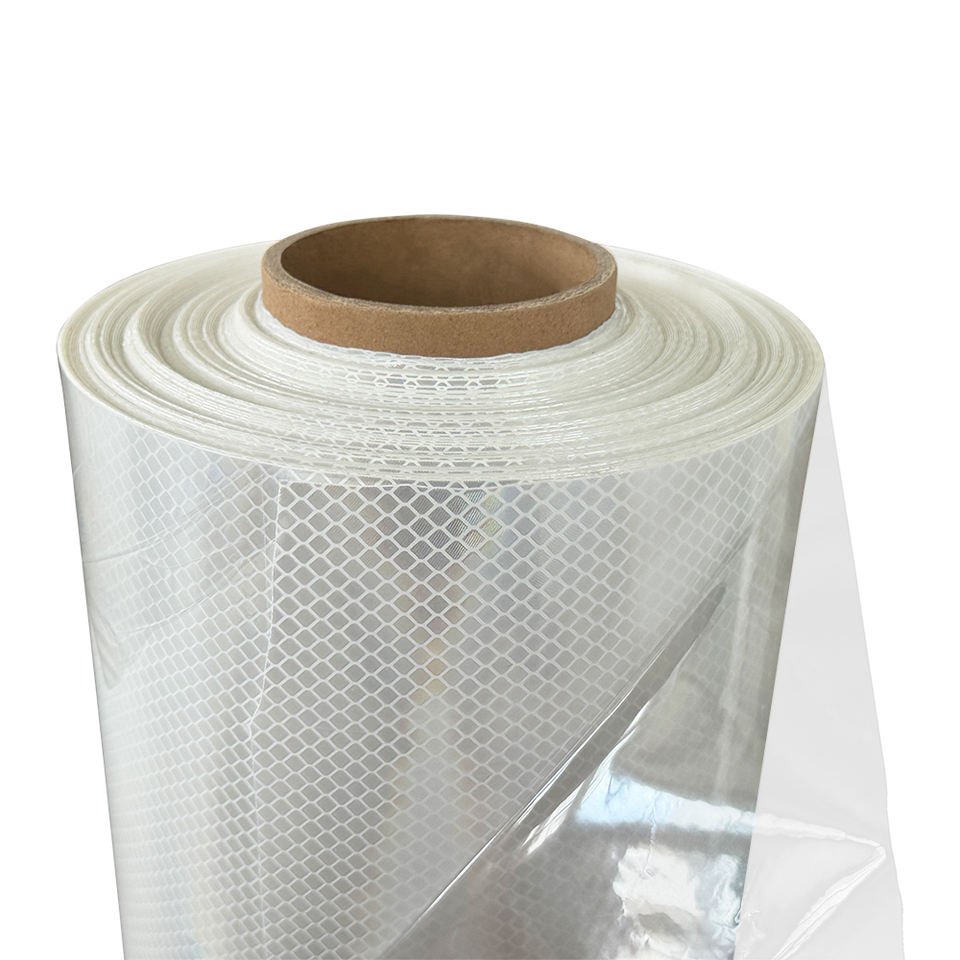
Protective Surface Layer
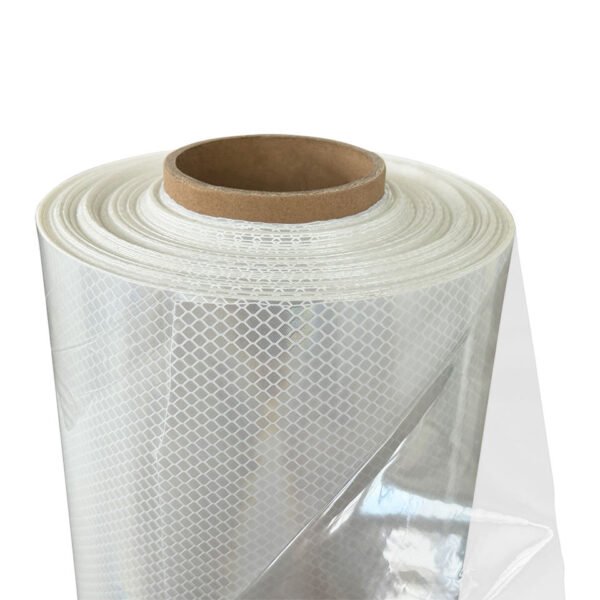
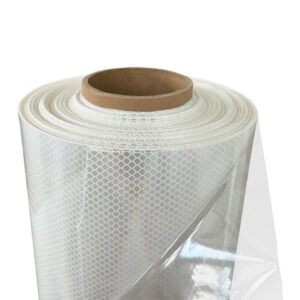
A transparent protective layer is shown lifting from the reflective face. Confirm handling and removal requirements before printing or application.
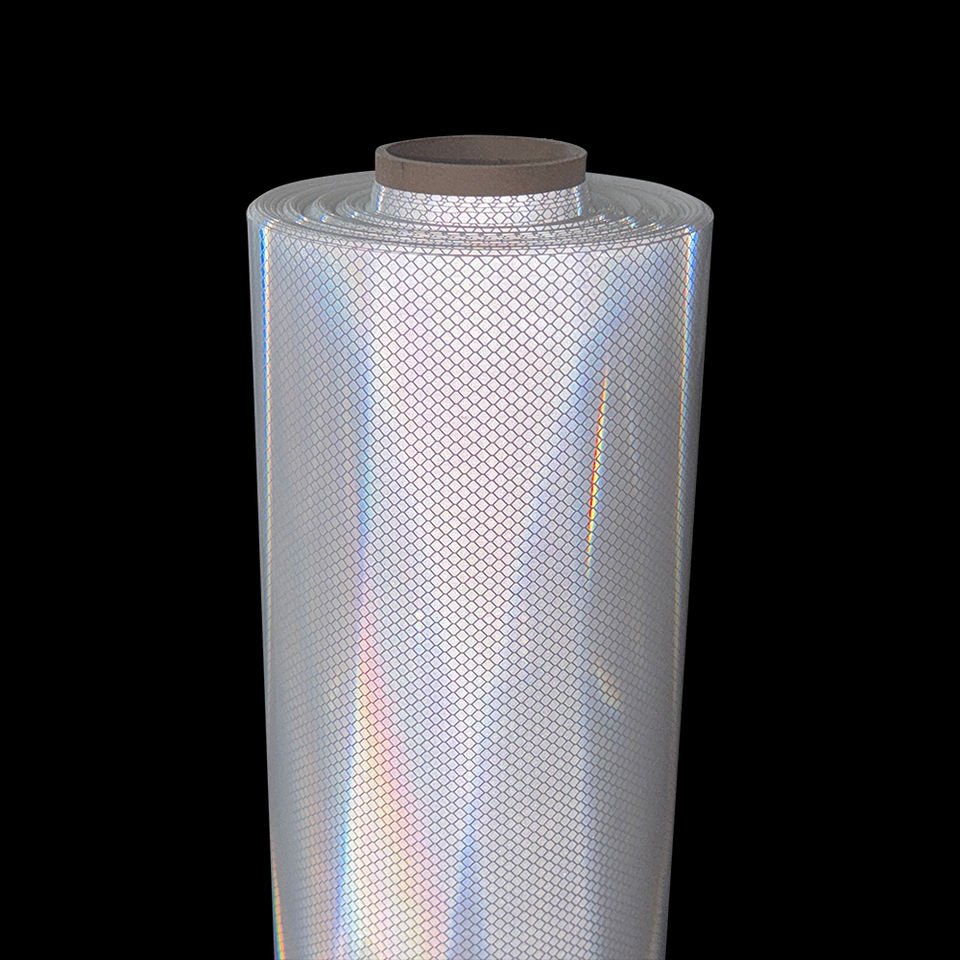
Reflective Surface Close-Up
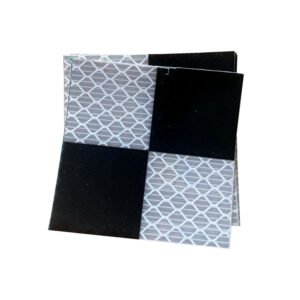
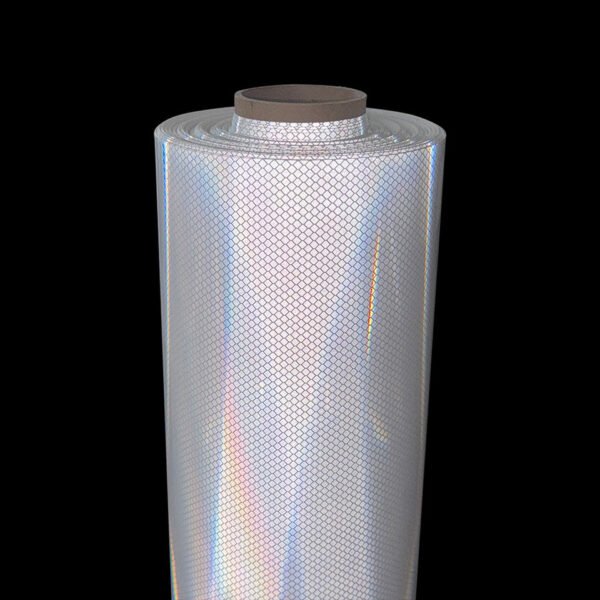
The close-up shows the prismatic pattern under directional light. Request a sample to assess the finish and material suitability.
Full-Roll and Packaging Views
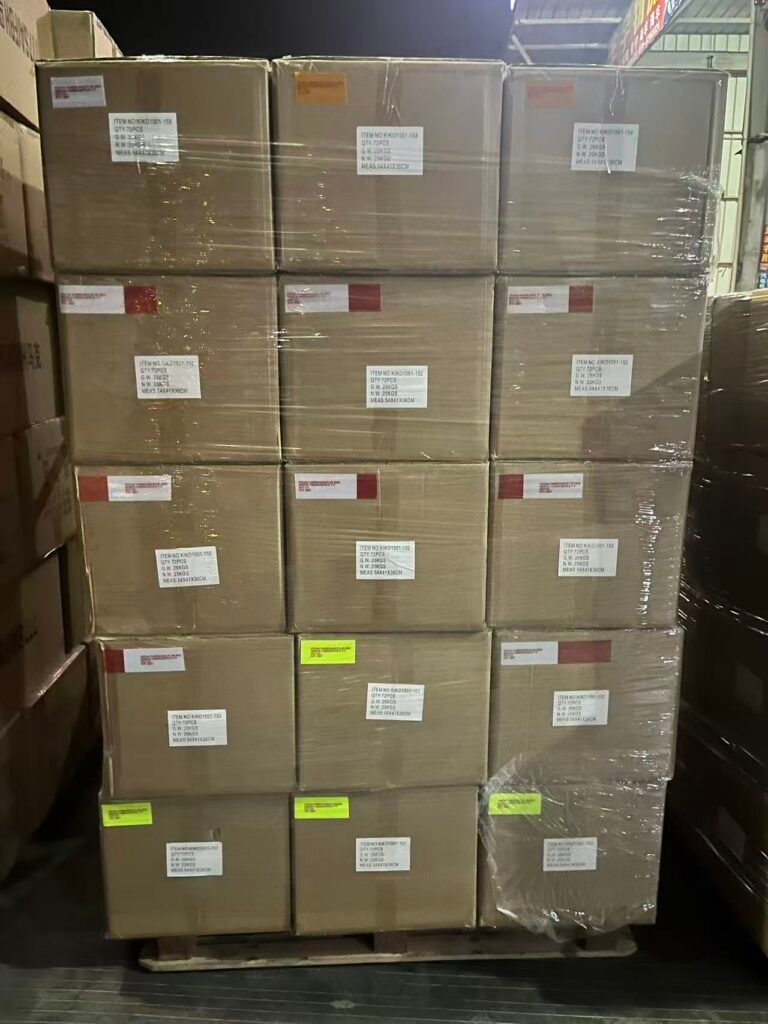
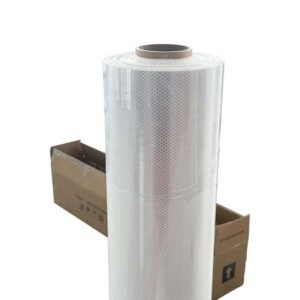
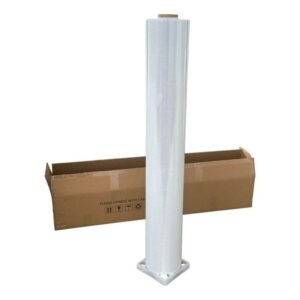
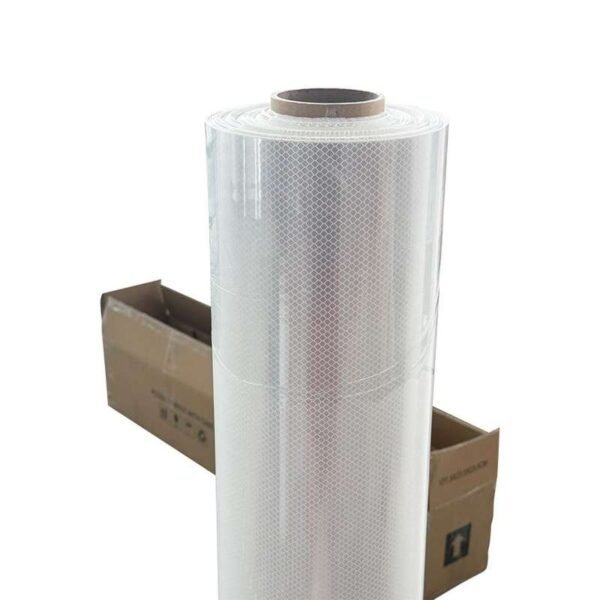
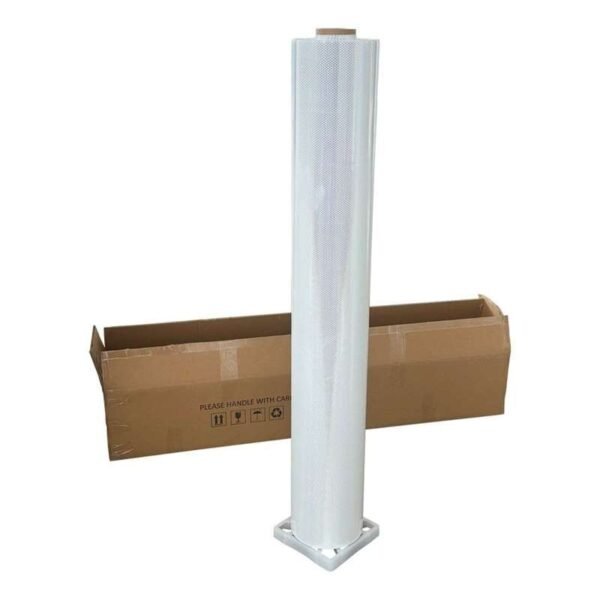
These additional photographs show the white prismatic film as a complete roll and in a closer view beside its carton. The roll core, exposed edge and repeated surface pattern help identify the supplied material before conversion. The illustrated format is 1.22 m × 45.7 m; confirm the width, length and packaging for your order.
Understanding the Transparent Surface Layer
A clear protective layer is shown lifting away from the reflective face in the product detail photograph. Distinguish this surface layer from any liner on the reverse of the material. Before cutting, printing or applying the film, confirm when the protective layer should be removed for the selected specification. Do not print onto a temporary protective film unless the approved process specifically requires it.
Handle the exposed reflective surface carefully during conversion. Keep the working area free from grit, support the roll during unwinding and avoid dragging the face across rough edges. A small trial piece is useful for checking the handling sequence before processing a full roll.
Appearance Under Directional Light
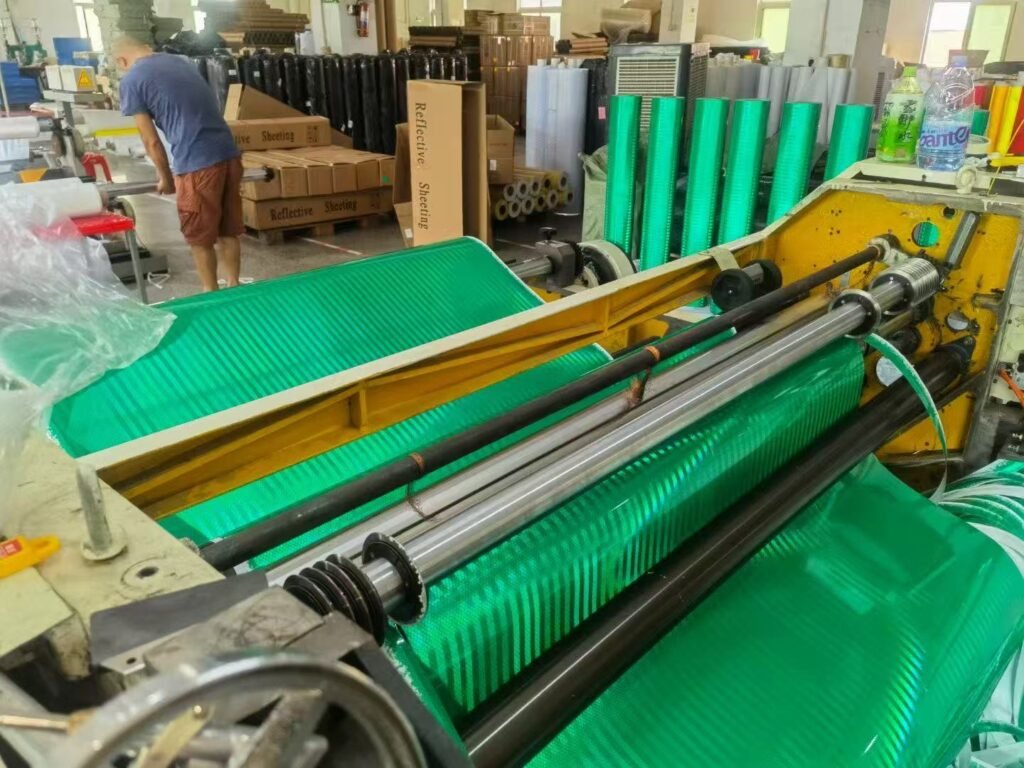
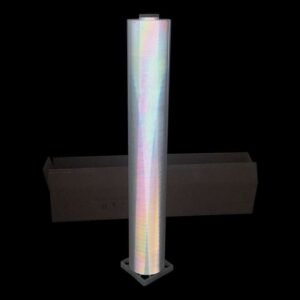
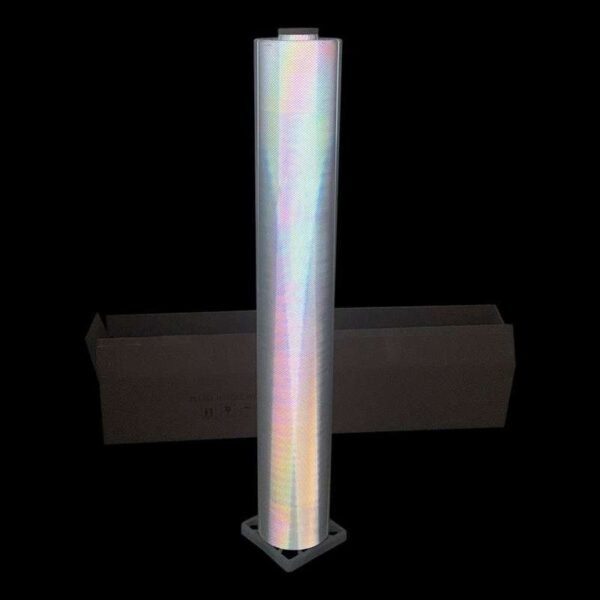
The illuminated roll view below provides a second way to inspect the reflective appearance. The prismatic pattern can look different as the viewing angle and light position change. White reflective sheeting needs incident light to produce its reflective effect; it is not a self-illuminating material.
Planning a Sign or Converted Component
- Finished dimensions: provide the panel, strip or cut-piece dimensions and allow for your chosen layout.
- Substrate: identify the intended mounting surface and any coating already on it.
- Graphics: share the artwork and proposed printing or overlay process so that compatibility can be reviewed.
- Performance: state the reflective grade, color requirements and any project standard that must be met.
- Quantity: specify the number of full rolls or the quantity of finished components required.
The material is intended for sign-making and reflective-product conversion. Suitability for a particular project depends on the chosen construction and installation conditions, so approve a sample with the intended substrate and process before a larger production run.
Common Questions
Does the protective layer make the finished sign weatherproof?
A handling layer does not establish a finished-product durability rating. Confirm the specified material grade and expected exposure conditions for the application.
Are the carton and roll views a fixed packing specification?
They show the product presentation. Confirm carton dimensions, roll protection and packing quantity with your order.
Can this replace a specified traffic-sign film?
Send the required material class or standard for review. Appearance alone does not demonstrate equivalence to another film or establish compliance.
Customization & Ordering
Send your roll size or finished drawing, quantity, printing requirements, mounting surface and destination. Include the required reflective grade and any documentation your project needs. We will confirm available material options, sample arrangements, protective-layer handling, packaging and delivery details.