
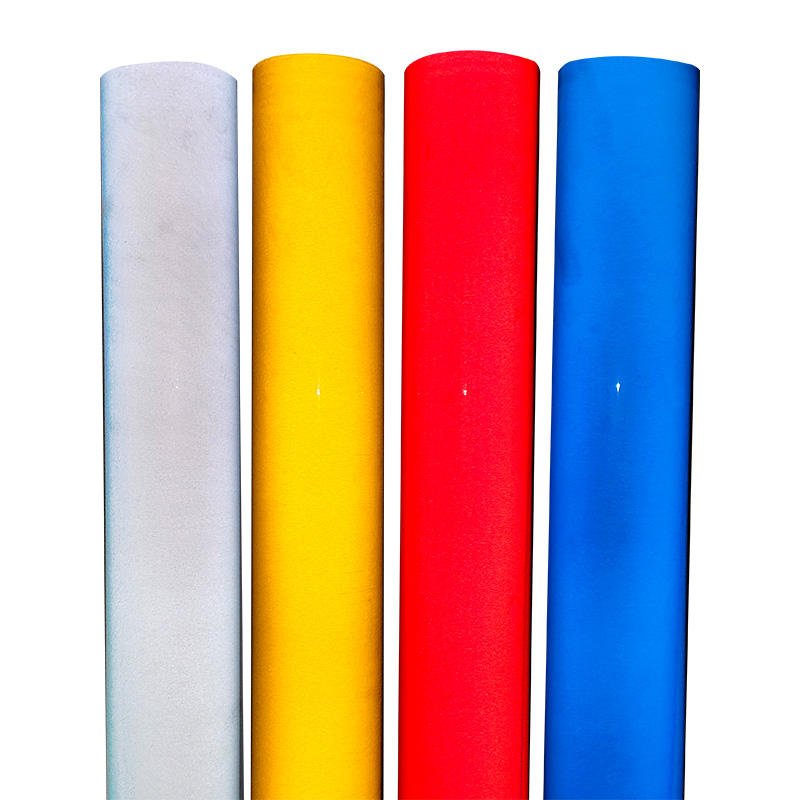
Glass-bead and microprismatic sheeting use different optical structures to return light toward its source. Select between them using the performance data for the exact model, color and viewing conditions, together with the requirements for printing, cutting and installation. Construction names alone do not establish a universal ranking.
How the two constructions work
Glass-bead sheeting uses small transparent spheres and a reflecting layer to redirect incident light. Microprismatic sheeting uses tiny cube-corner structures. Both are retroreflective: the direction of the light source and the observer matters. For an introduction to the optical principles, see 3M’s explanation of retroreflectivity. This background reference does not describe or certify Xingyuan products.
A practical comparison for purchasing
| Buying question | Glass-bead sheeting | Microprismatic sheeting |
|---|---|---|
| What creates the return of light? | Glass beads with a reflecting layer | Small cube-corner structures |
| How should brightness be compared? | Use data for the exact model, color and measurement angles | Use equivalent conditions; a different angle or color makes a direct comparison unreliable |
| Can it be printed? | Confirm the particular film, ink and process | Confirm the particular film, ink and process |
| Can it be cut or bent? | Check the selected construction and converting instructions | Check the selected construction and converting instructions |
| What proves suitability? | Product-specific data and the project specification | Product-specific data and the project specification |
Separate optical construction from face-film material
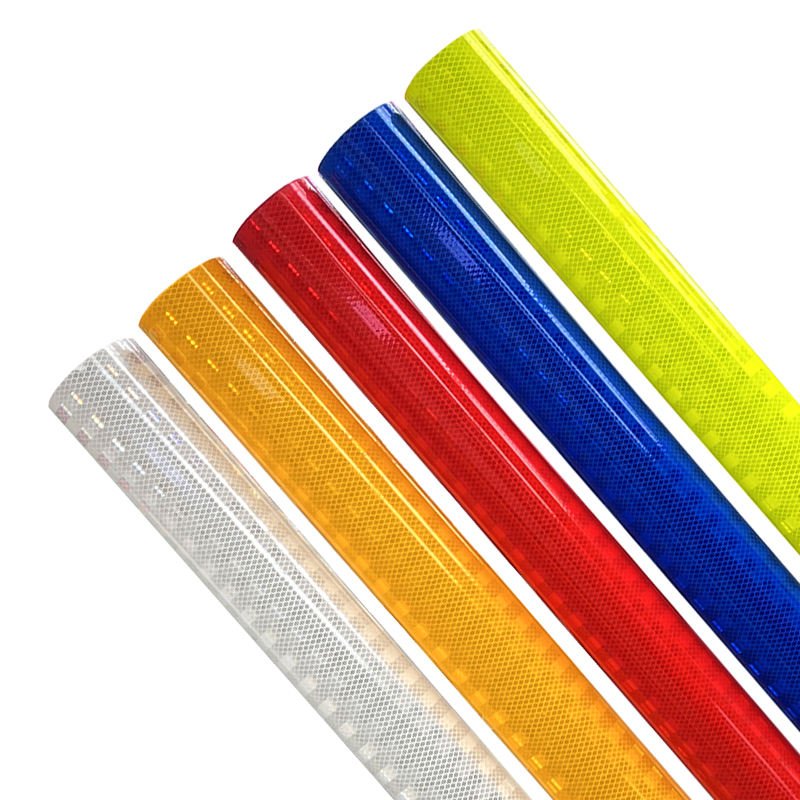
“Glass-bead” and “prismatic” describe the optical construction. PMMA and PET identify polymer materials in the product construction. They answer different questions. Our catalog includes PMMA engineering grade glass-bead film, PMMA high-intensity prismatic reflective vinyl and PET honeycomb prismatic reflective film. Check the complete product specification when comparing these options.
Compare reflective data on the same basis
Request the coefficient of retroreflection for the selected colors at the angles needed by your project. Entrance angle describes how light reaches the surface; observation angle describes the separation between the incoming light direction and the observer. Values taken under different conditions should not be treated as directly interchangeable.
Also check whether the supplied data covers the bare film or the finished printed and laminated system. Ink coverage, overlays and the finished design need to be considered in the final application. Ask which product and processing combination the supplier’s information actually supports.
Run a useful sample evaluation
Start with the same substrate, intended artwork and production process for each candidate. Record the film model, color, batch identification where available, ink system and finishing method. Assess print appearance, cutting and weeding, handling and adhesion to the proposed surface using the supplier’s instructions.
Keep visual review separate from performance measurement. A photograph can help document color and surface appearance, but camera exposure and illumination change apparent brightness. Where a project needs measured performance, use the specified test method and matching product documentation.
Buyer questions
Is microprismatic sheeting always the better choice?
There is no single best choice for every order. Compare the required optical performance, processing compatibility, surface, expected exposure and total finished cost. Ask for comparable data instead of choosing from the construction name alone.
Does “engineering grade” or “high intensity” establish a standard classification?
Treat those descriptions as starting points for a product discussion. Ask which specification the exact model meets and request the supporting documentation. Do not assign a standard class solely from a catalog name.
Can I use the same printing settings for every film?
Do not assume that you can. Confirm the supported ink and process for each construction, then approve a production sample. Record the accepted combination so repeat orders can follow the same specification.
Choose the next material to sample
Browse the reflective film range. For broader project planning, read Choosing Reflective Sheeting for Your Next Project.
Send the product link, color, dimensions, quantity, application surface and destination to sales@reflecfilm.com. Xingyuan can use these details to discuss the selected construction and prepare an order-specific quotation. For a ready-to-use enquiry checklist, see Planning Your B2B Order.